an evolving practice
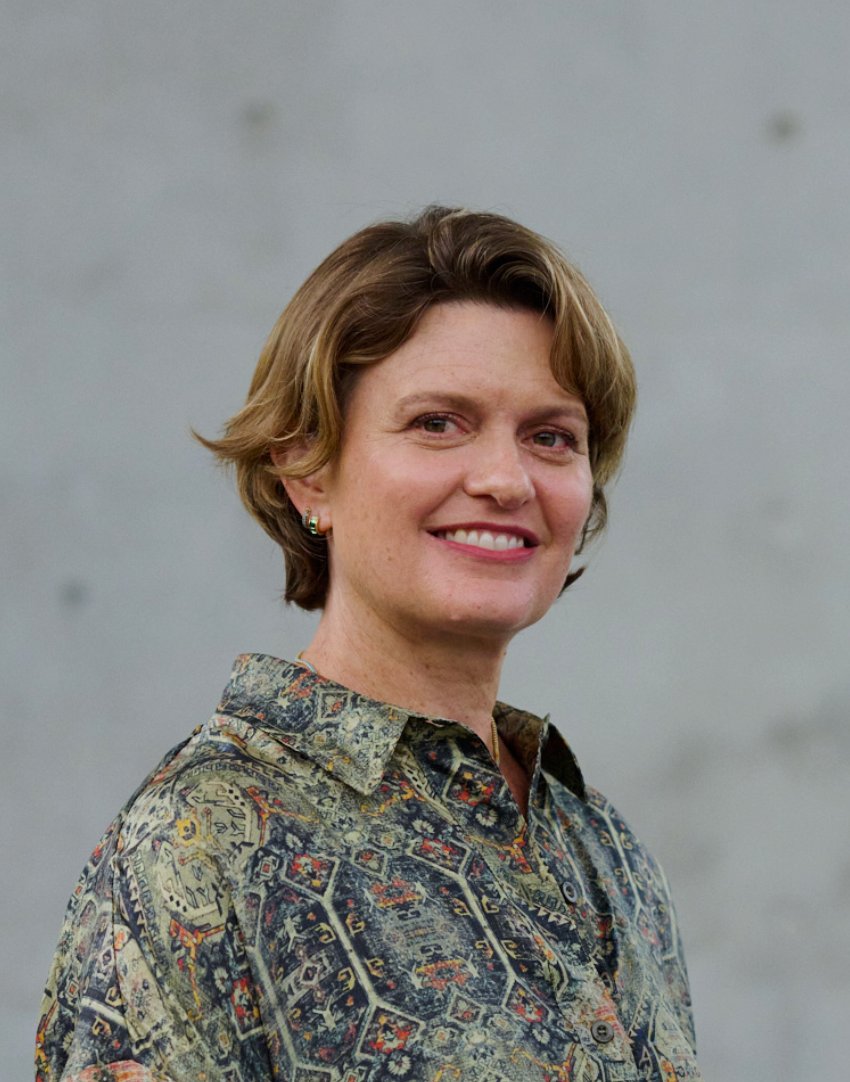
Hi, I’m Sarah Barns.
I'm a scholar-practitioner specialising in the civic design of digital infrastructure, and new methods for collaboration that make this possible. My work spans cultural heritage, digital strategy, place transformation and urban technology. You can read more about me here.
Recent activity
- Birrbay Barray Djuyal
An immersive exhibition in Gathang voices and language at Port Macquarie Museum, introducing audiences to Birpai Country and its stories of kinship, culture and environment. Created by Aunty Rhonda Radley with Studio ESEM (Sarah Barns and Michael Killalea) and Andy Noonan. Sound mastering by Peter Hird. Features the Ngarrgan Mirriiyn Choir (recorded by Eliza Sayer), a Deep Listening reflection by Mirrilyn Gill, and a narrative reflection by Aunty Rhonda Radley.
- Western Sydney International Airport Digital Artworks
Digital artworks for the opening of Western Sydney International Airport, made by Studio ESEM with AX Interactive. They include Come On. Let's Play, an interactive dance work with dancers filmed across Western Sydney; The Street Beneath Our Feet, a durational work celebrating the dance culture of Greater Western Sydney; and Unboxing Aviation Archives, a six-screen display drawn from aviation archives, including Nancy-Bird Walton's 1935 barnstorming tour; and Wings of Desire.
- Restorying the public gathering spaces of media architecture
- What if this could be different? Negotiating care practices through collaborative partnerships in public spaces
Invited talk on the panel "Storying care and justice in public space", following the keynote by Prof Catalina Ortiz (UCL).
- Data centres in Australia: your questions answered
Published 14 September 2026. One of nine experts answering readers' questions; Sarah answers "Why do data centres need to be located near where people live?"
- Submission to the Senate Environment and Communications References Committee on AI and Data Centres
Many of the critical decisions shaping data centre infrastructure are being made through fast-track planning pathways that exempt or truncate community consultation and public exhibition, without transparency around environmental impacts. Core to our submission is therefore the need for greater transparency in the planning and approval of data centres across all levels of government, and ongoing monitoring against approved resource impacts to ensure they do not contravene existing sovereign commitments.
- Data Centres Transparency Project: Mapping AI Sovereignties through Civic AI (Australian view)
A live, openly-maintained map tracking the roll-out of infrastructure for AI sovereignty in Australia, including data centres, rare-earth mines, refineries, and the energy and water they draw. Includes considerations of ownership, approval pathways, and forms of public contestation and alternate sovereignties being asserted around emergent infrastructure. A data release (mapping toolkit) developed as part of the Civic Interplay project, with recursive interventions by the frontier AI lab and hyperscaler Claude Code.
- Rethinking the AI stack from the ground up, through recursive monitoring methods
This presentation introduces the agentic-deliberative praxis of civic interplay as a contribution to the emerging field of digital statecraft.
- Australian Museum Future Archives Strategy
- Carrier Bag Narratives for More-than-Human Care: Rethinking Design, Maintenance, and Worldmaking in HCI
Human–Computer Interaction (HCI) and its surrounding areas, such as Human-Building Interaction (HBI), and Media Architecture have long been shaped by narratives of progress, innovation, and problem-solving, often following the “heroic arc” of Joseph Campbell’s monomyth. While productive, these narratives tend to marginalize practices of maintenance, repair, and care, as well as the more-than-human relations through which sociotechnical systems persist. This full-day workshop invites participants to explore alternative narrative forms for HCI.
- The Arts of Digital Placemaking
- Mapping AI Sovereignties
A living atlas of contested AI sovereignties: a recursive, self-informed lens for watching the governance challenges generated by data centre growth in places of community interest and concern.